

Meet the breeds
Tap an image to learn more
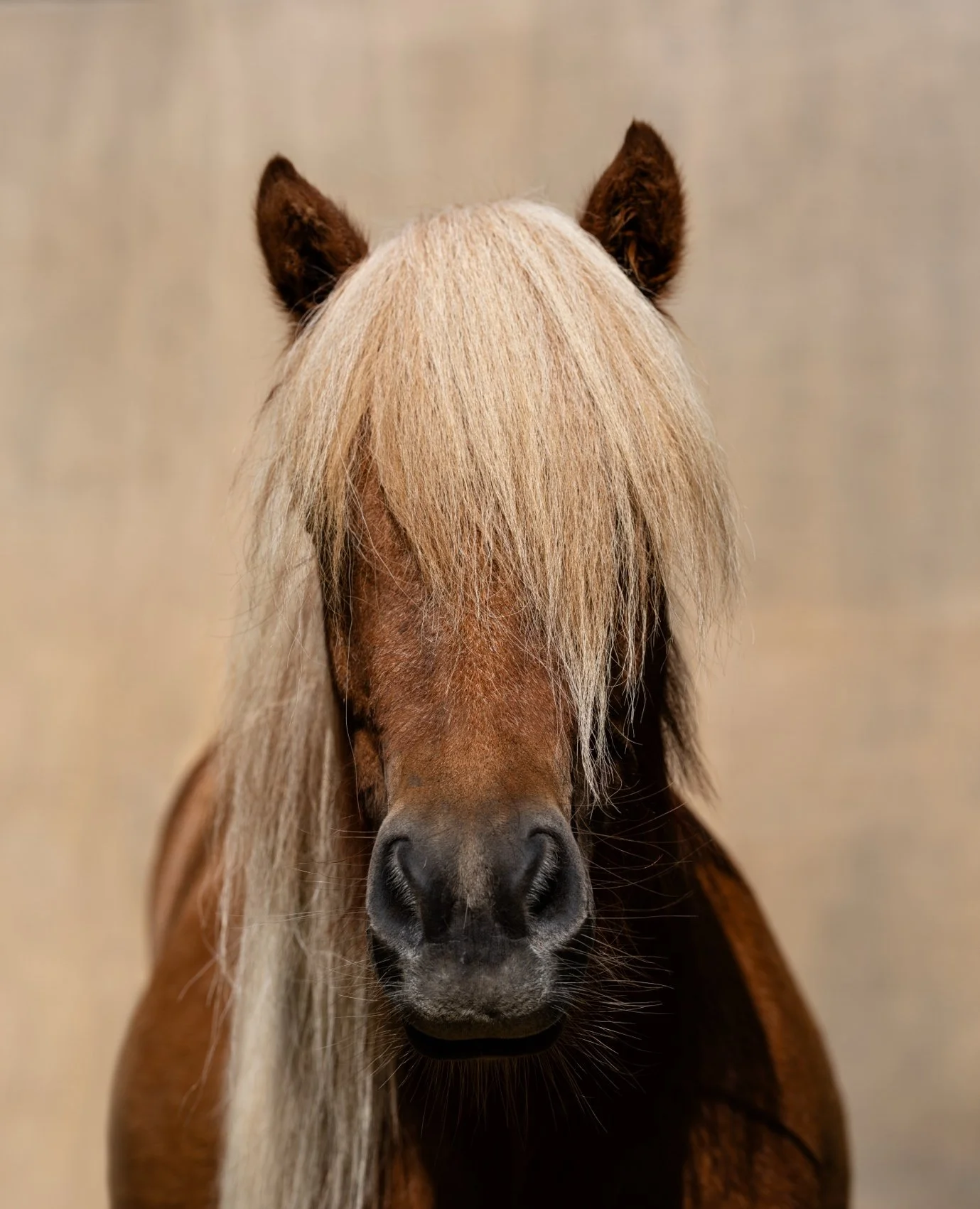
Shetland
This breed was developed in the Shetland Isles and as a crofters pony. They are extremely strong for their size - in fact they are the strongest horse in relation to their size - they can pull nearly twice their own weight!
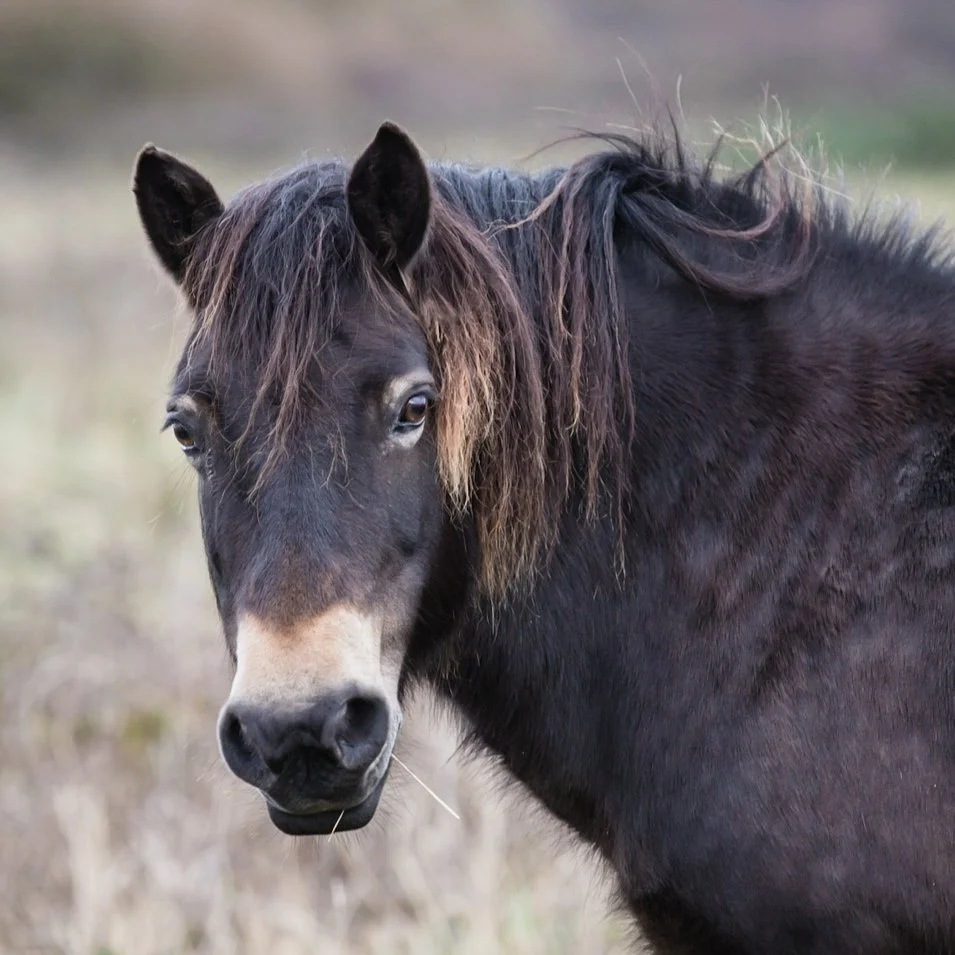
Exmoor
Exmoor ponies are versatile, adaptable, very strong for their size and able to turn their hooves to a wide variety of activities.
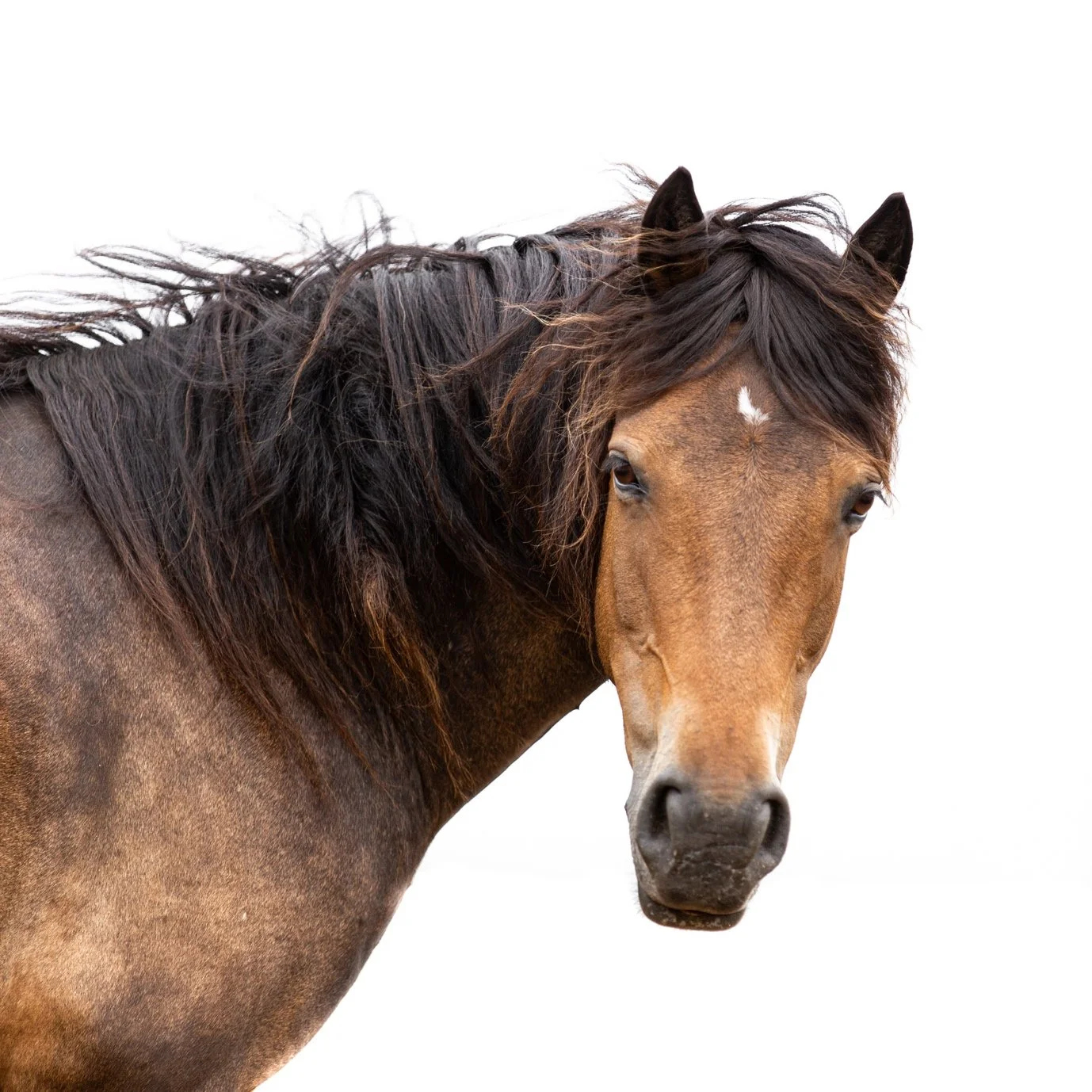
New Forest
The New Forest Pony is a recognised British Isles breed but has an unusual background for a native pony breed. The earliest record of horses in the New Forest dates back to 1016 when rights of common pasture were granted to the people living in what was a royal hunting ground.
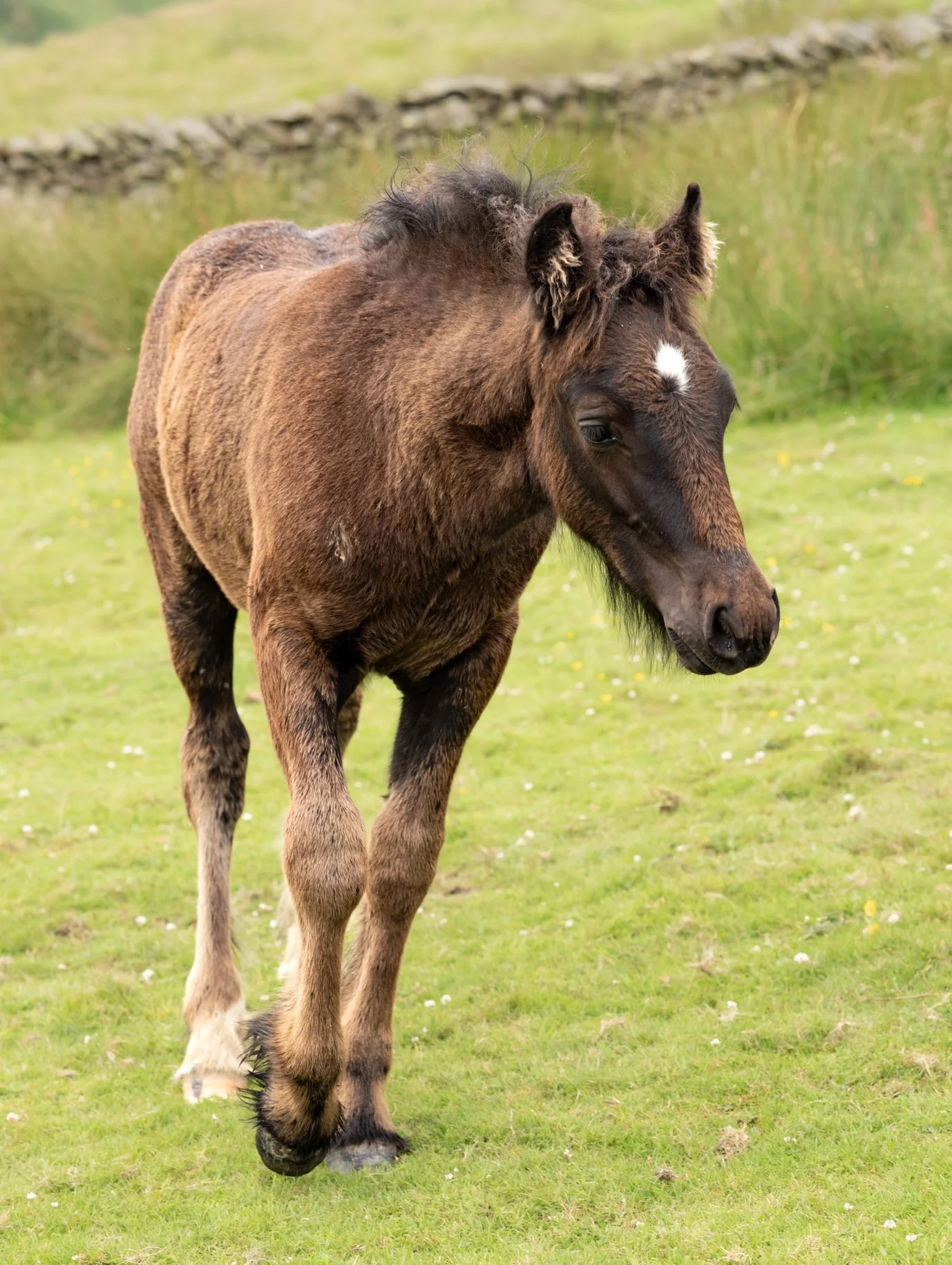
Fell
The Fell pony is a breed of horse which has lived in the rugged and hilly region of the Lake District area in the north of England for centures, and has developed hardy and sure-footed characteristics, suited for the terrain.
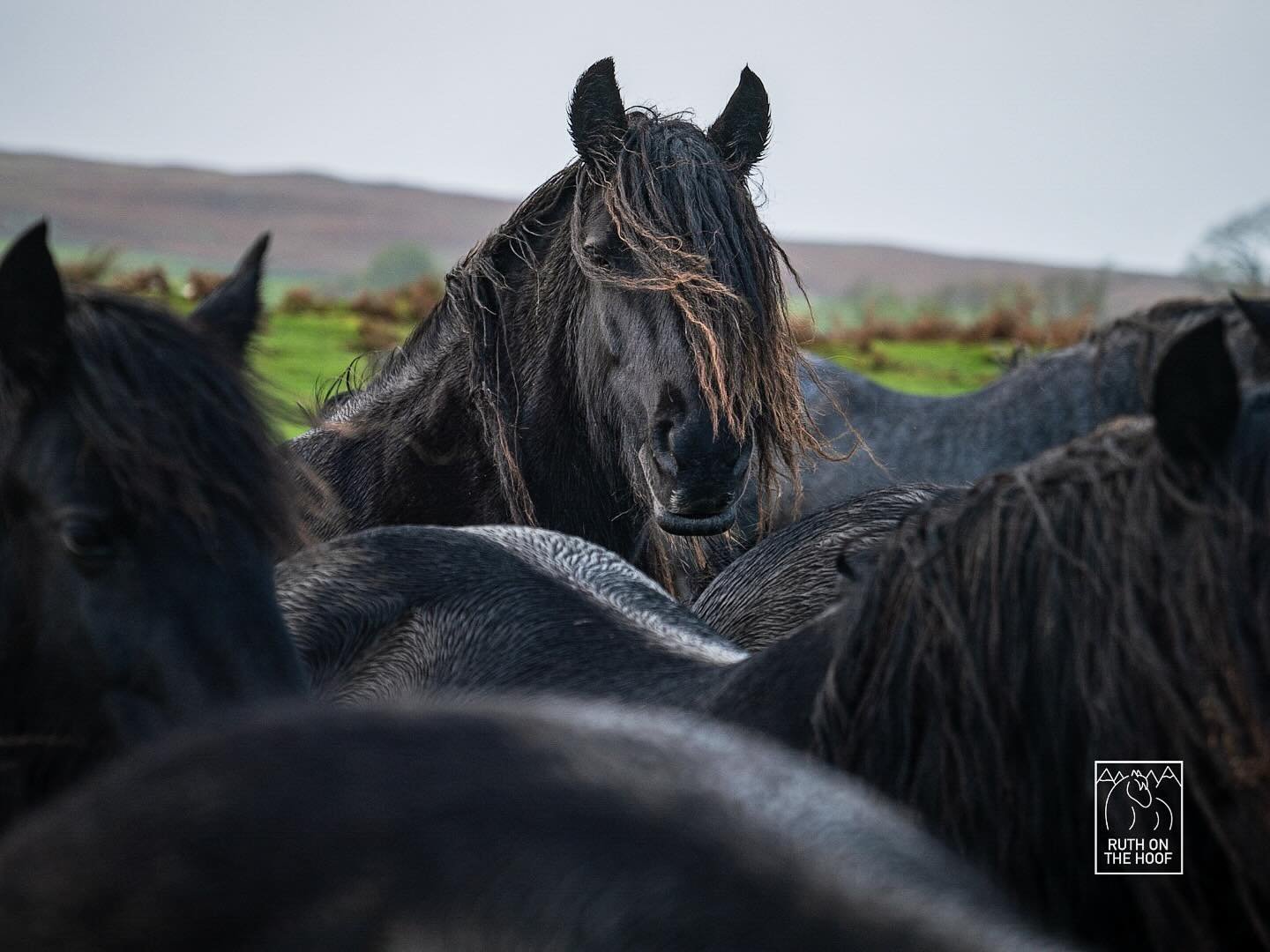
Dales
The Dales ponies for the third time, face extinction. They are listed as ‘critical’ by Britain’s Rare Breeds Survival Trust. This means that currently, there are less than 300 mares in existence.
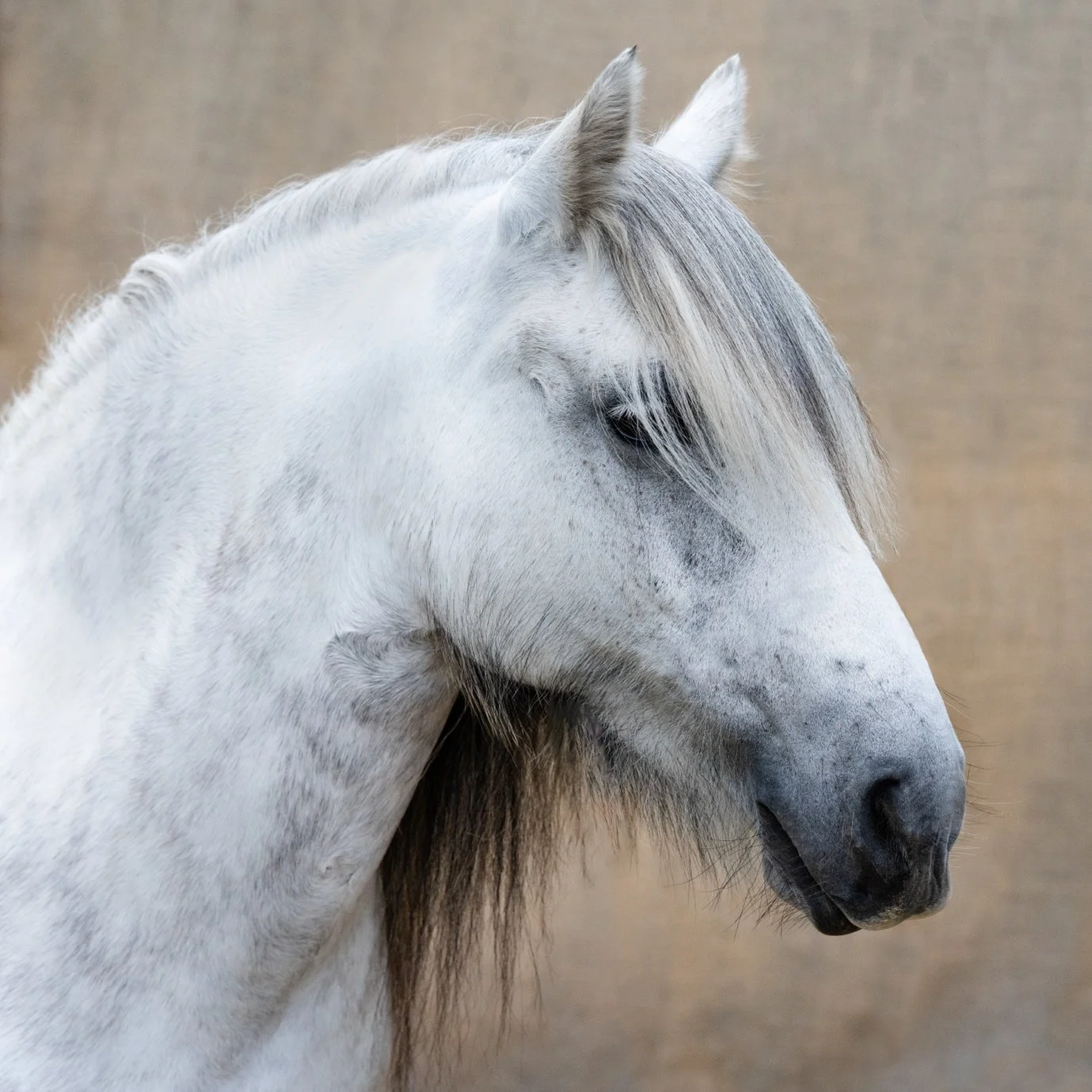
Highland
The Highland pony is a breed of horse native to Scotland, specifically to the Highlands and Islands regions. It is a versatile and hardy breed that has been used for various purposes, including agriculture, transportation, and military purposes.
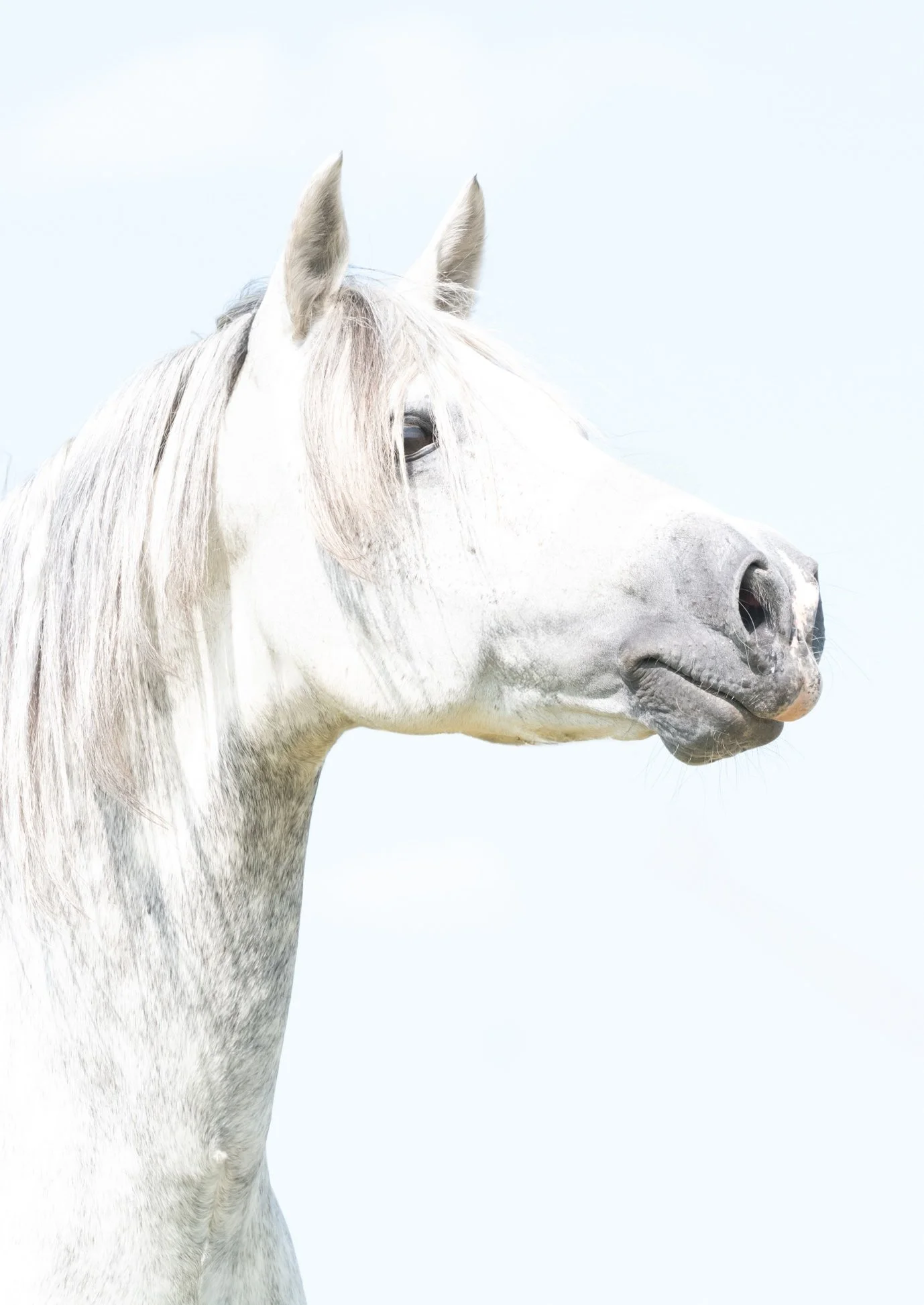
Connemara
The Connemara Pony is a native pony originally from Ireland’s west coast; its popularity is extensive worldwide. A historic breed that is considered to be “sure footed and hardy.”
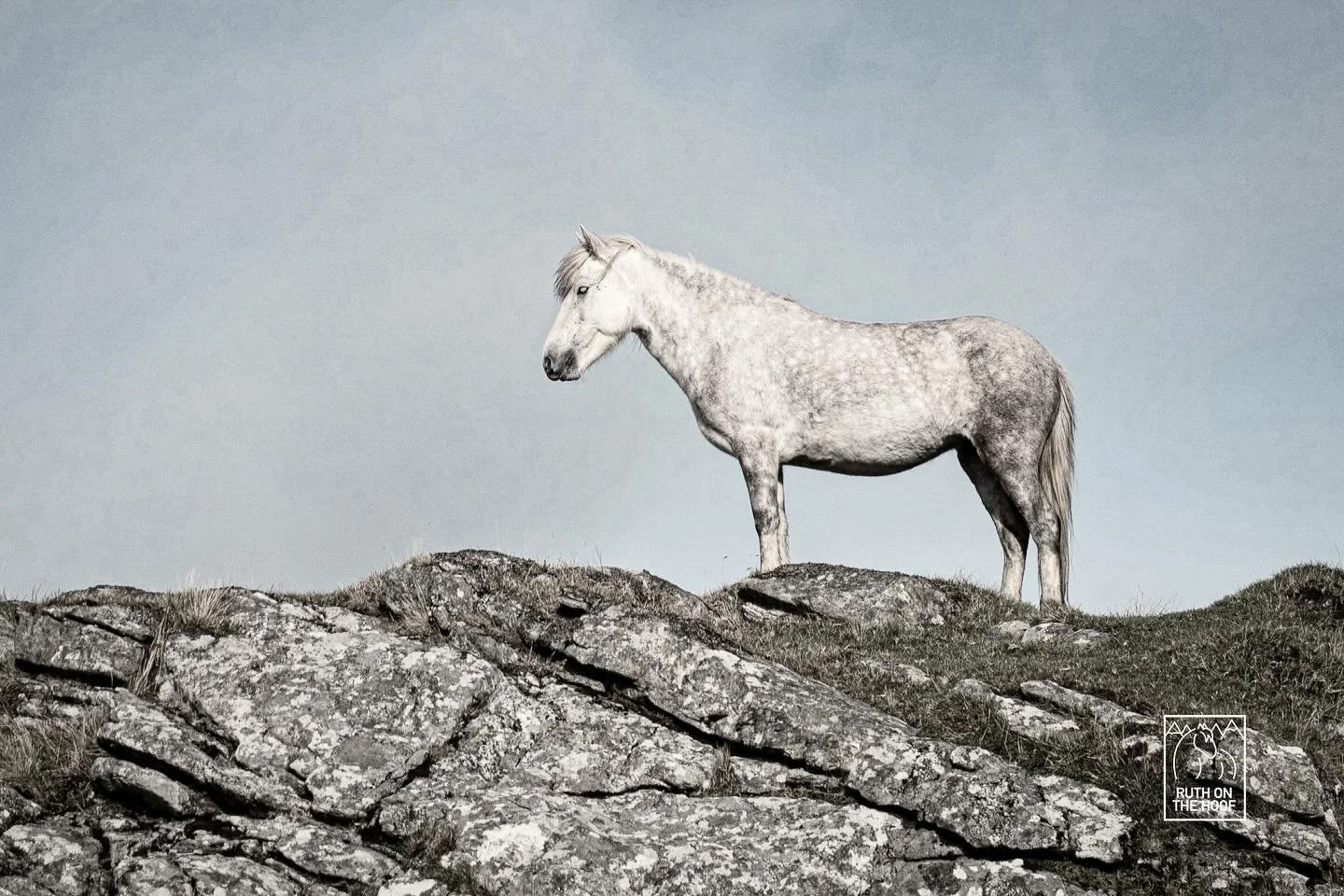
Eriskay
Eriskay ponies have a very dense coat that is shorter than most of our other natives, most likely an adaption for living by the sea. They are prized for their lovely temperament and willingness to work, which makes them an ideal family pony and working partner.
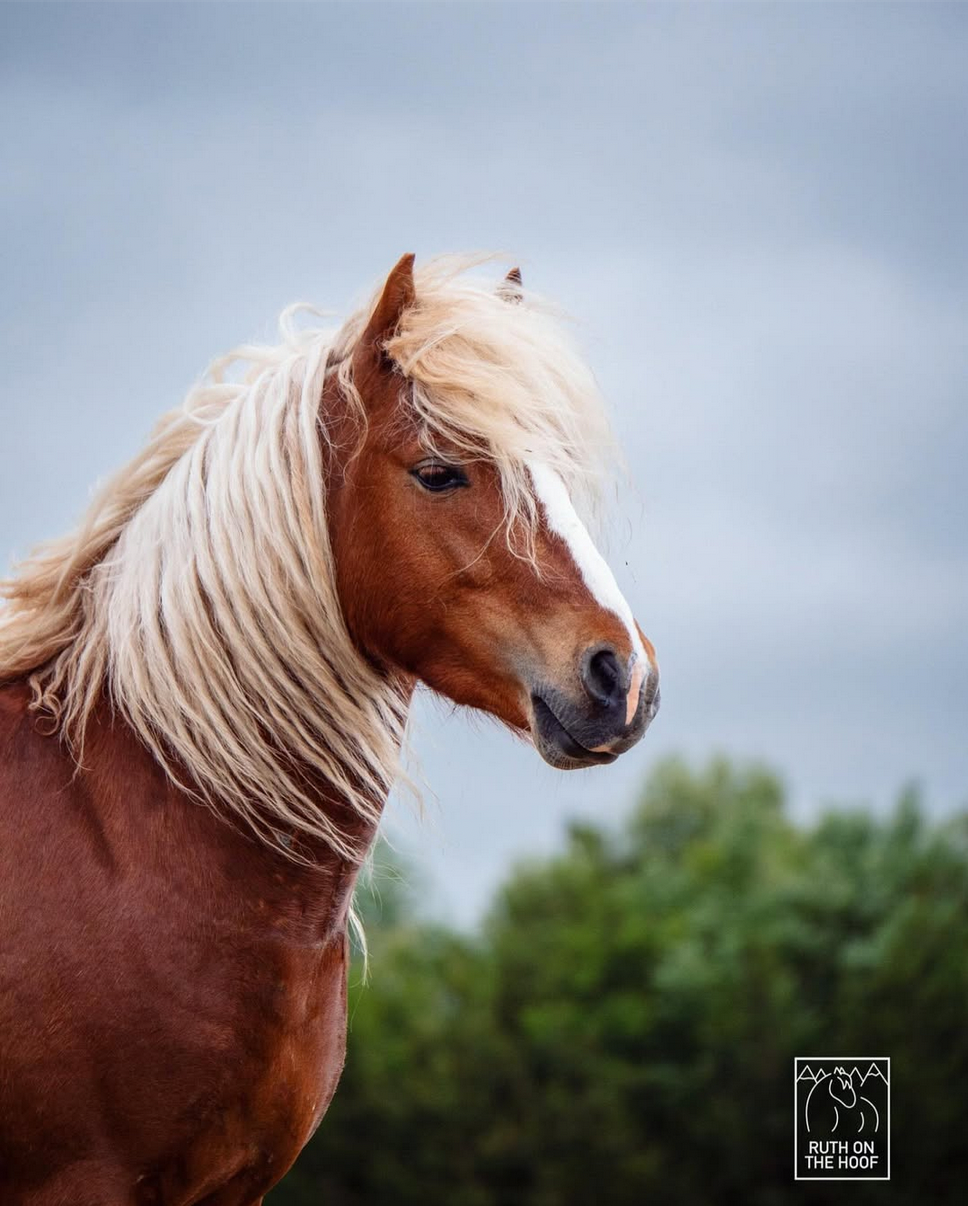
Kerry Bog
The Kerry Bog Pony is a small sturdy Native Breed standing approximately 102-117 cms for stallions and 102-112 cms for mares. The Kerry Bog Pony has a fine, intelligent head with large kind eyes. It has a strong and well set on neck, with a rounded shoulder and compact body.
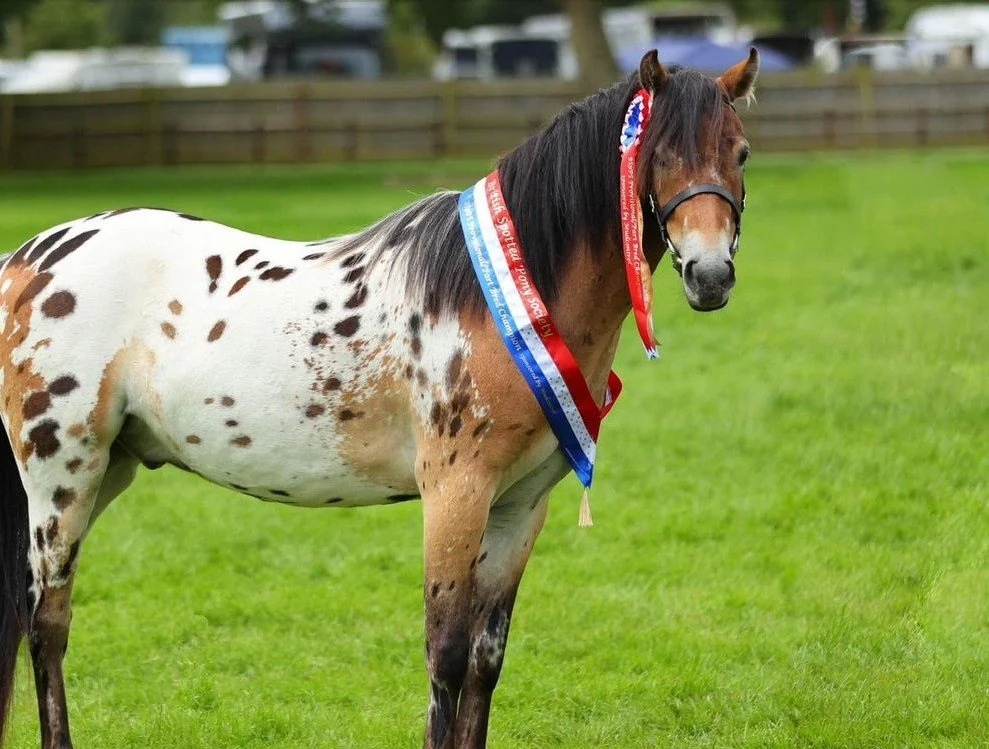
British Spotted
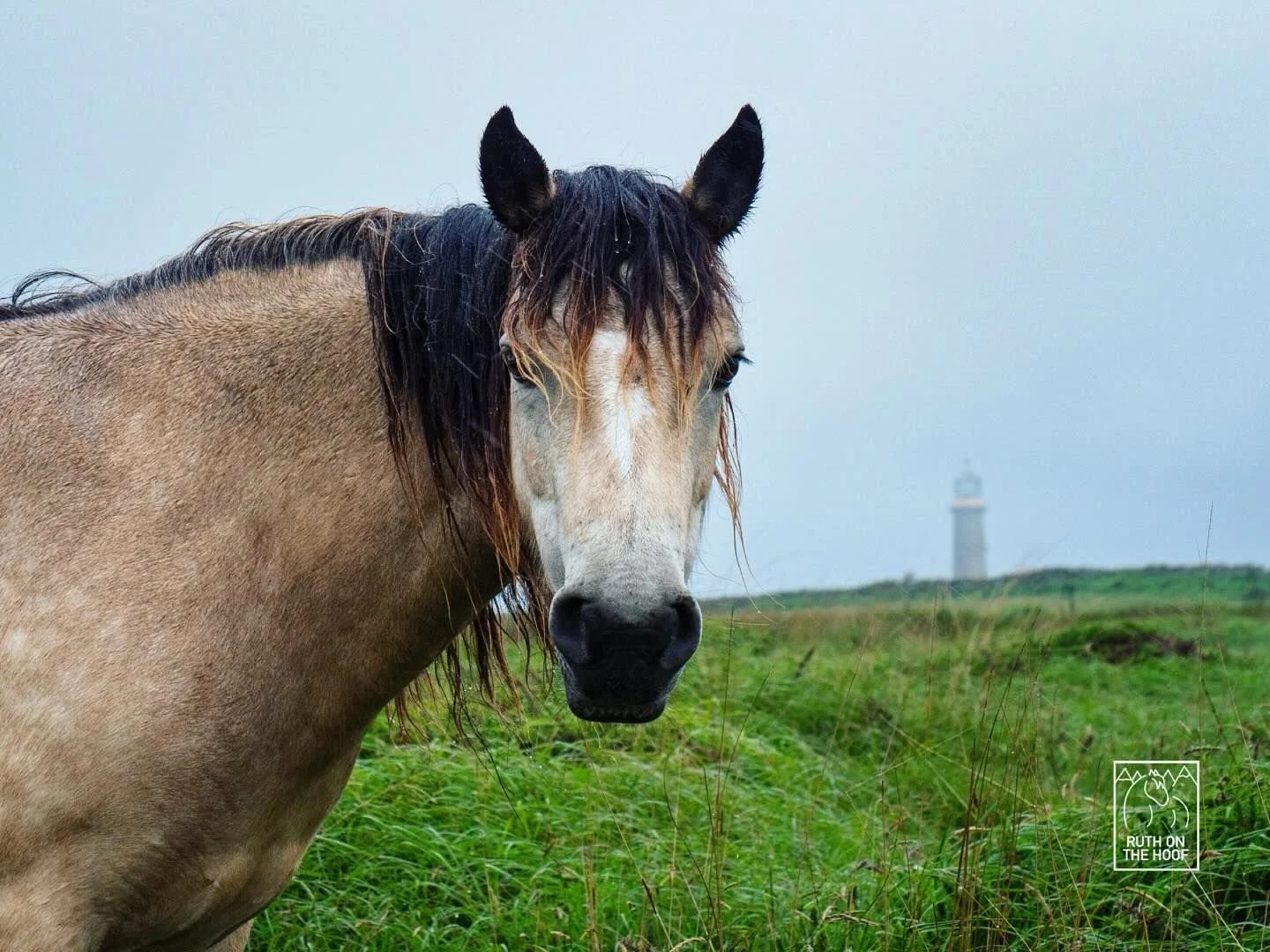
A Dartmoor Heritage Pony is a true to type Dartmoor Pedigree Pony, as defined by the Dartmoor Pony Society, that is not registered. They do not exceed 127cm (12.2hh). They can be bay, brown, black, grey, chestnut, or roan.
Lundy
The Lundy pony is compact and sturdily built with muscular necks, short backs, short legs, a deep girth, and an overall square frame.
The Ponies of Dartmoor
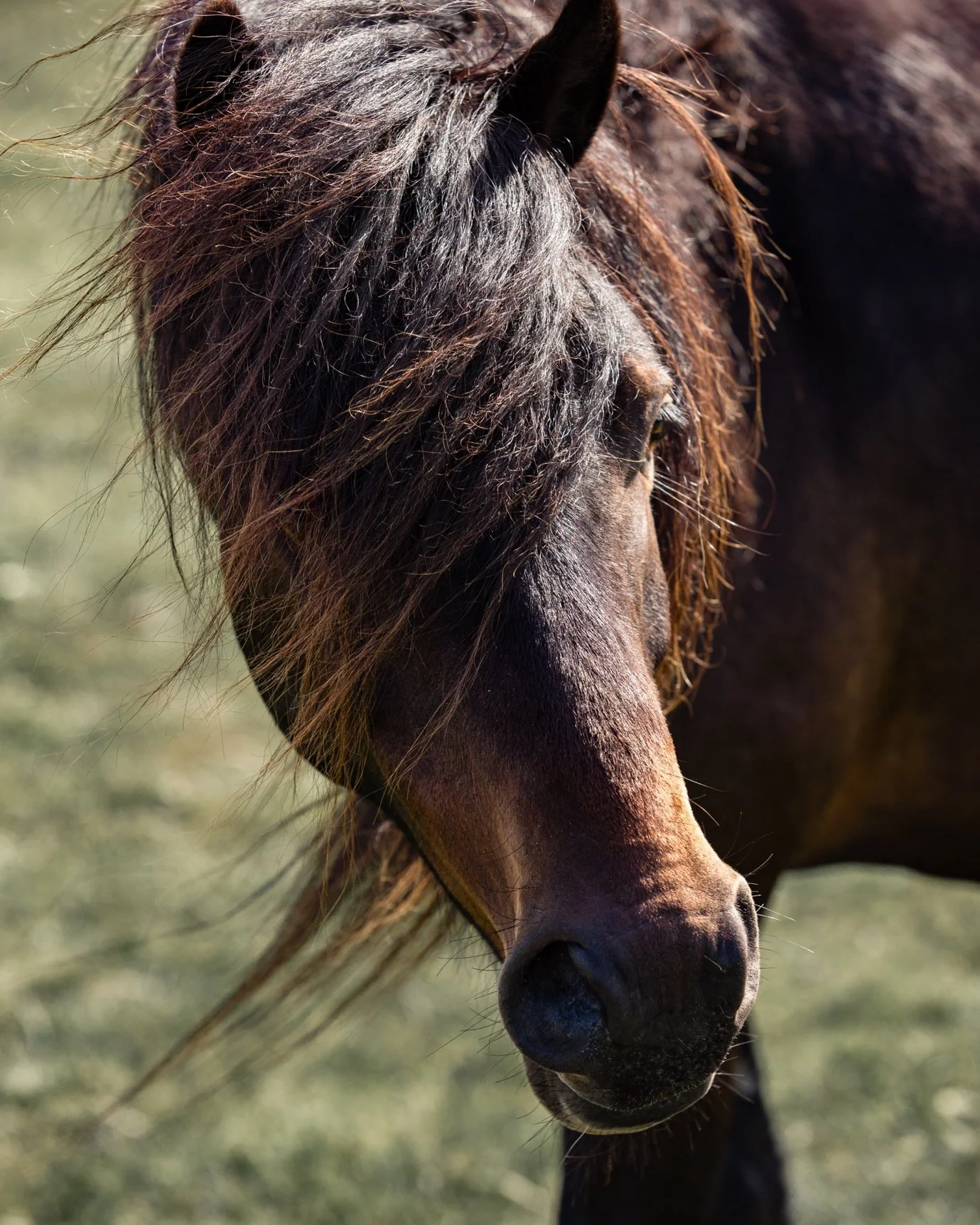
Dartmoor
Dartmoor ponies have an exceptional temperament and breeders have long realized their potential as children’s ponies with the ability to make wonderful companions, give endless fun and if required compete and succeed in all spheres of competition.
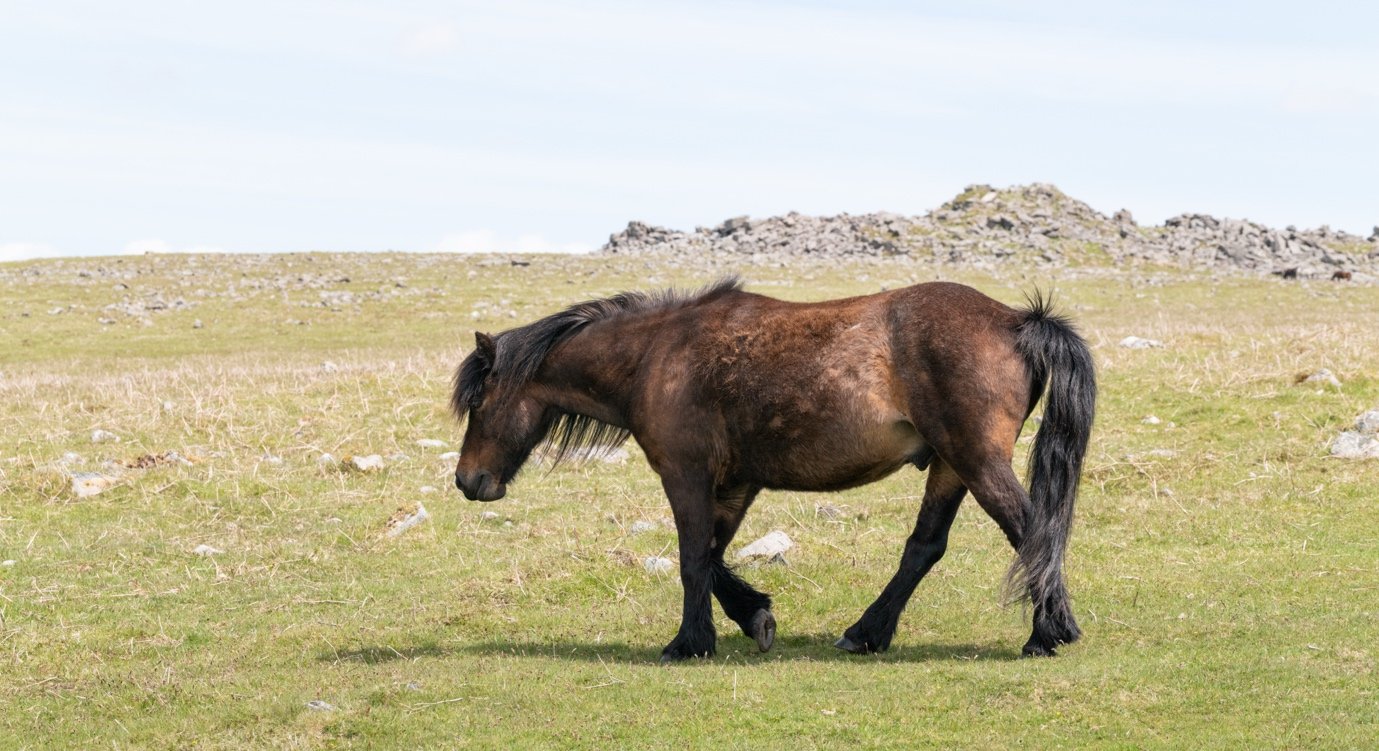
Dartmoor Heritage Pony
Dartmoor Heritage ponies are a vital part of the Eco-system in tackling the current environmental challenges that are evident on Dartmoor. Their grazing style and behavior ensures that the bio-diversity which is under threat is not lost to future generations.
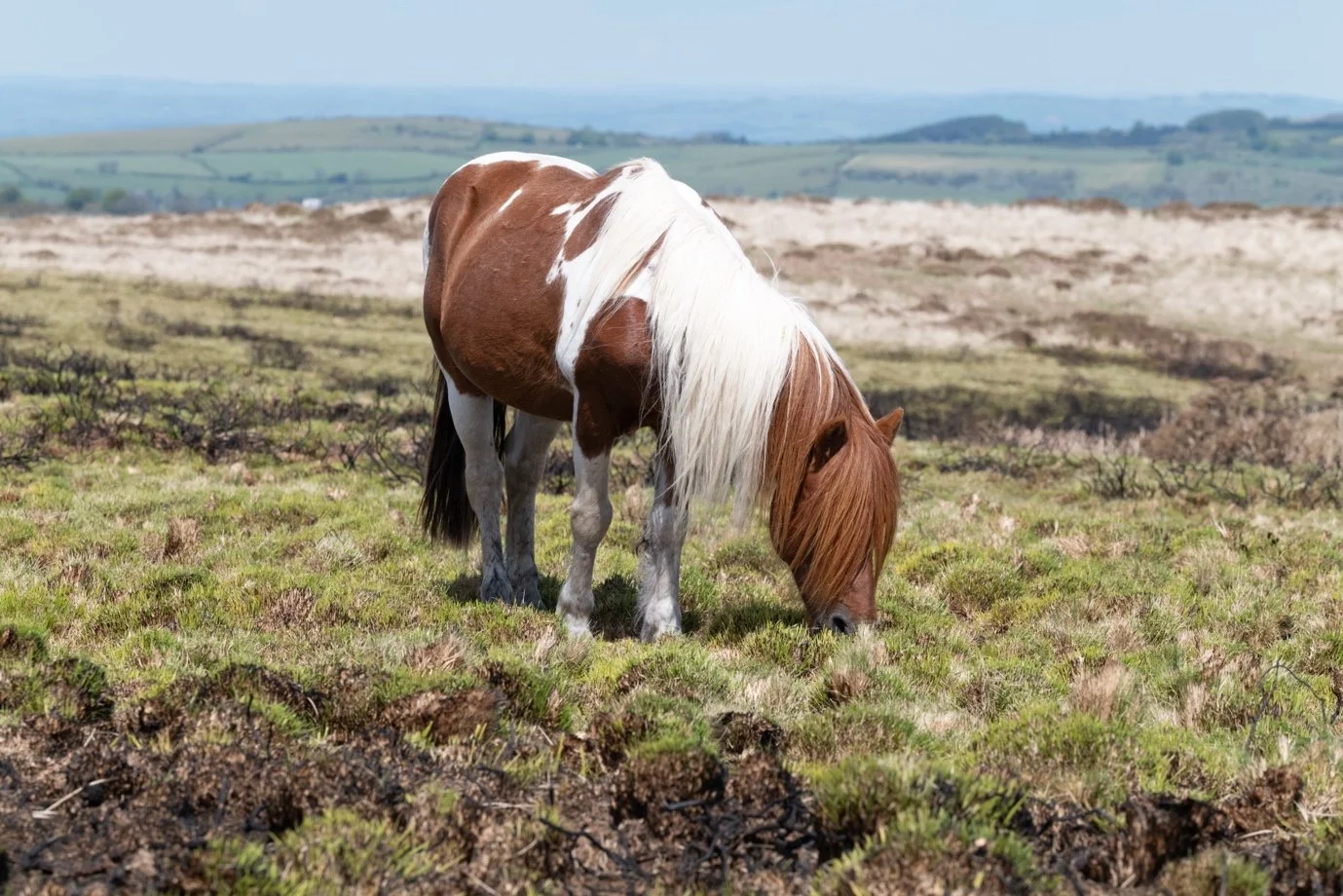
Dartmoor Hill Pony
The Dartmoor Hill ponies are semi-wild ponies born on Dartmoor and although closely related to the Registered Dartmoor ponies, they have their own distinct genetic make up which helps them survive harsh winters on the moor.
Welsh Ponies
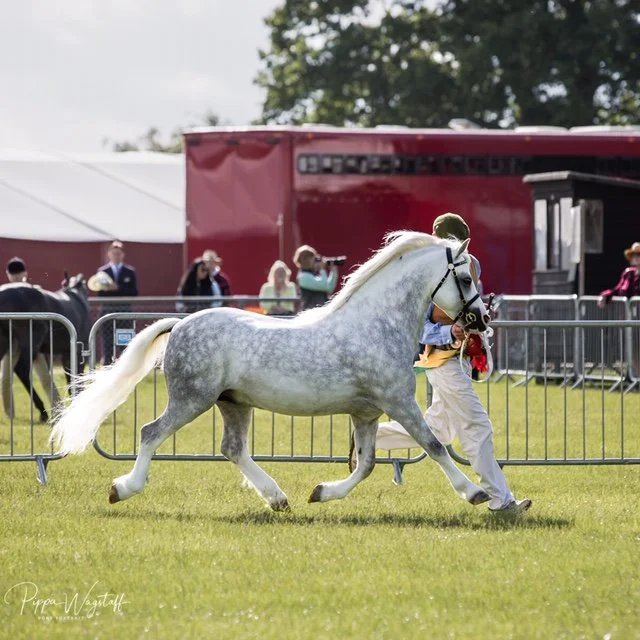
Welsh Section A
Descending from the indigenous native ponies that have been inhabiting the uplands of the Principality for thousands of years, the smallest of the Welsh sections has developed a strong constitution, a great intelligence and determined nature.
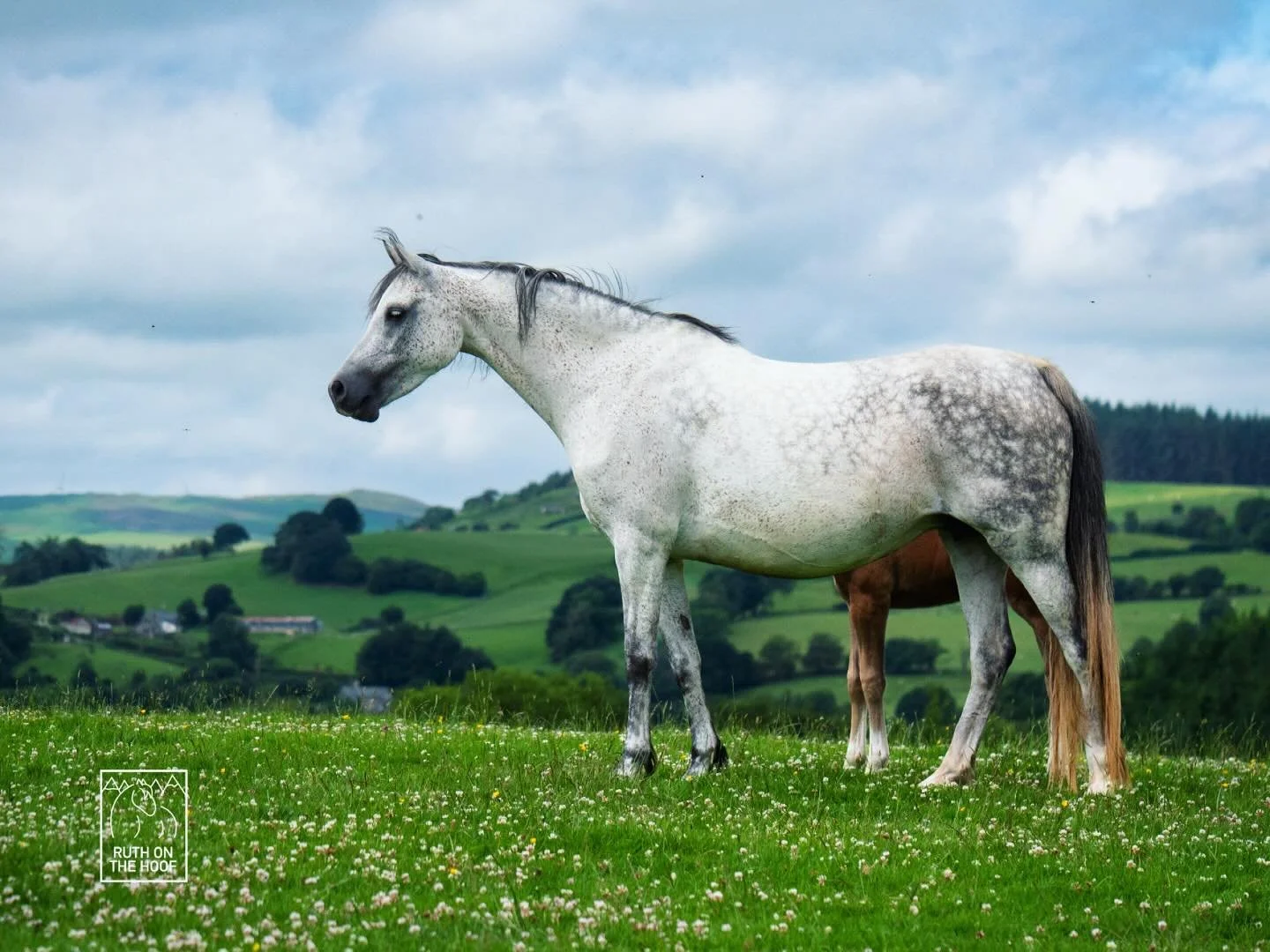
Welsh Section B
Slightly taller than Section A, but still under 14.2 hands, these ponies are versatile mounts for older children and small adults. They are known for their refined looks and good movement.
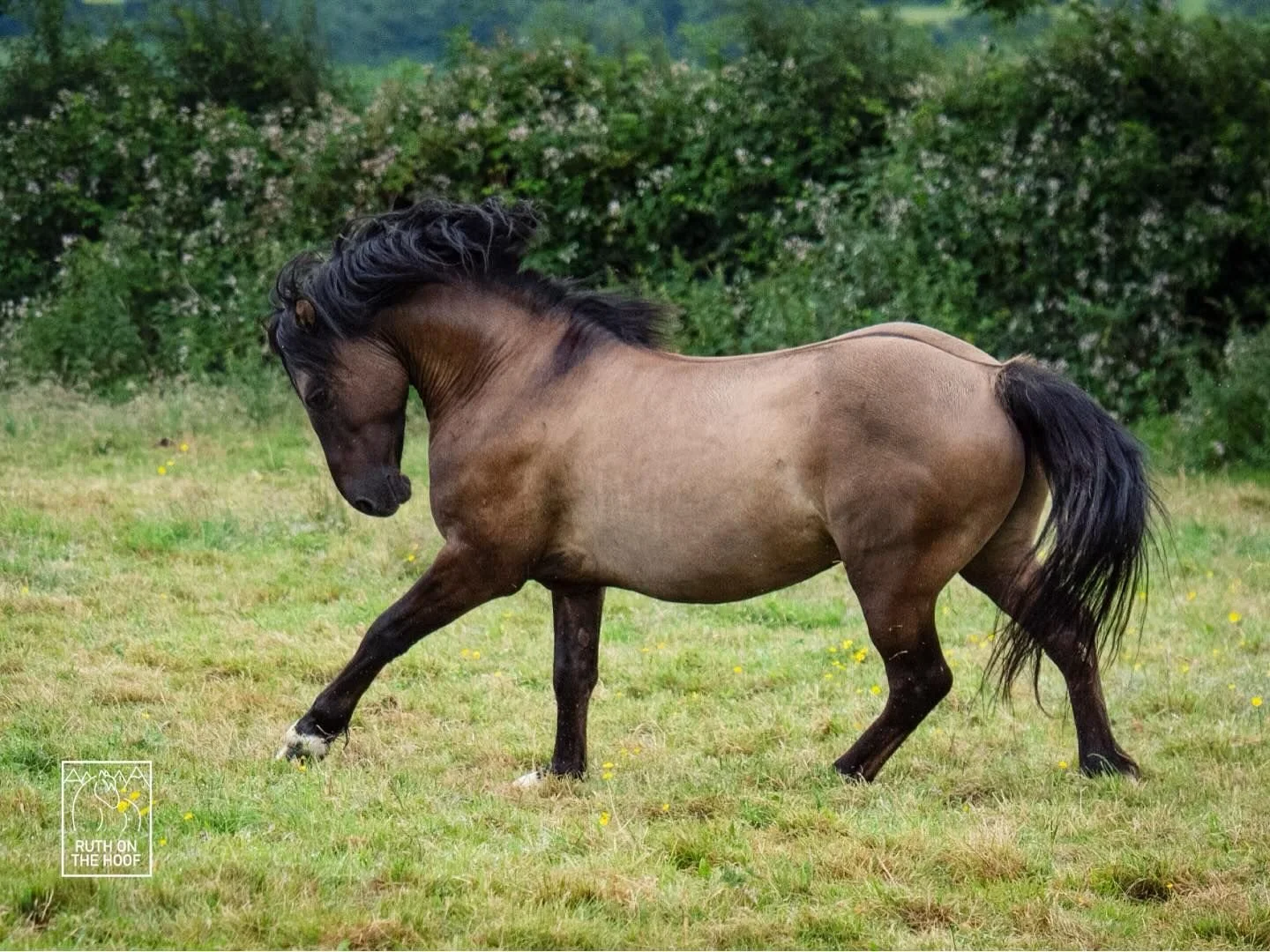
Welsh Section C
This is a versatile pony, possessing traits from both ponies and cobs. They are known for their hardiness and ability to carry riders in a variety of disciplines.
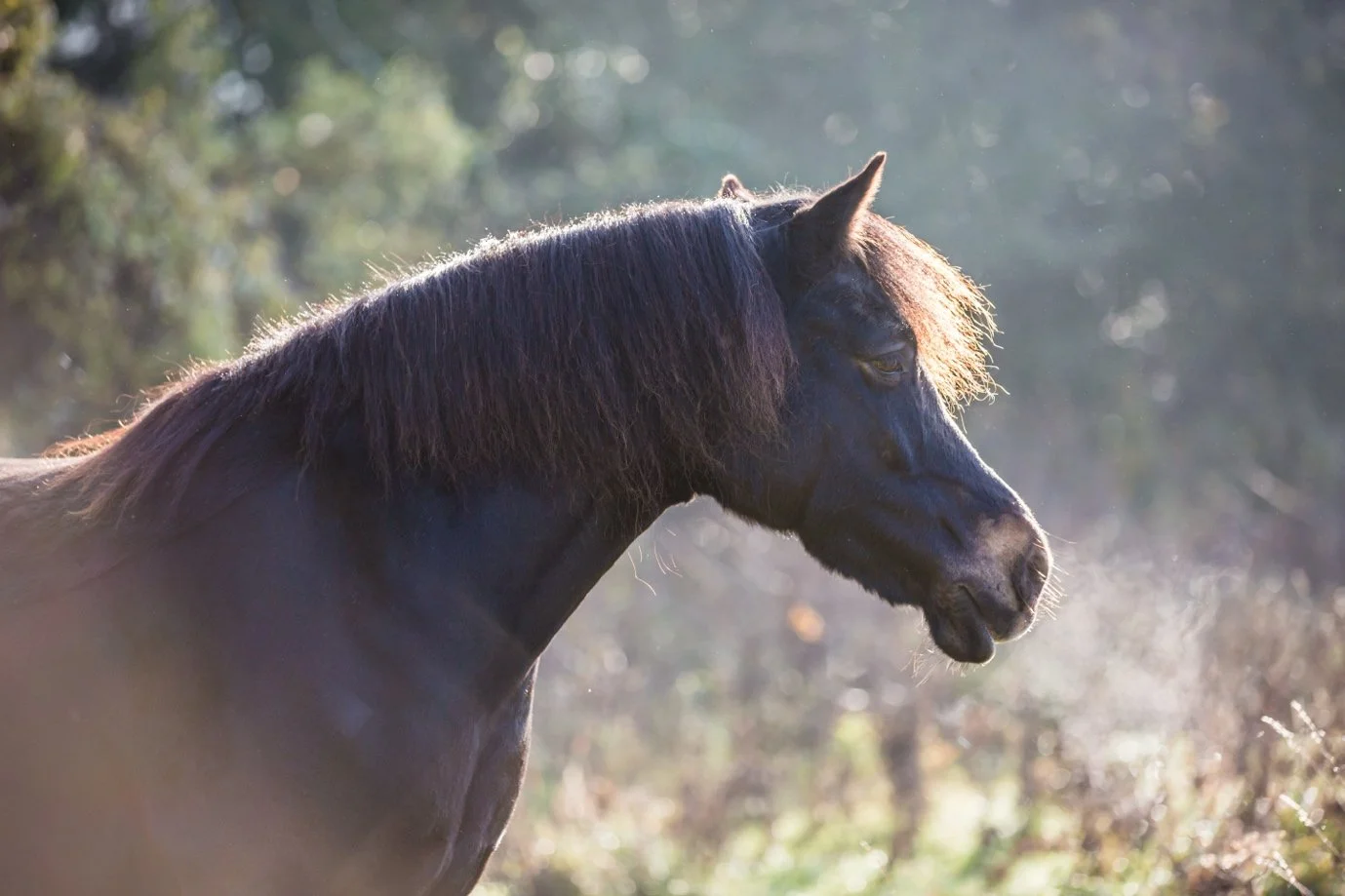
Welsh Section D
The tallest of the four, exceeding 13.2 hands, Welsh Cobs are known for their stamina, courage, and good movement. They are popular for riding, driving, and even in dressage and eventing.
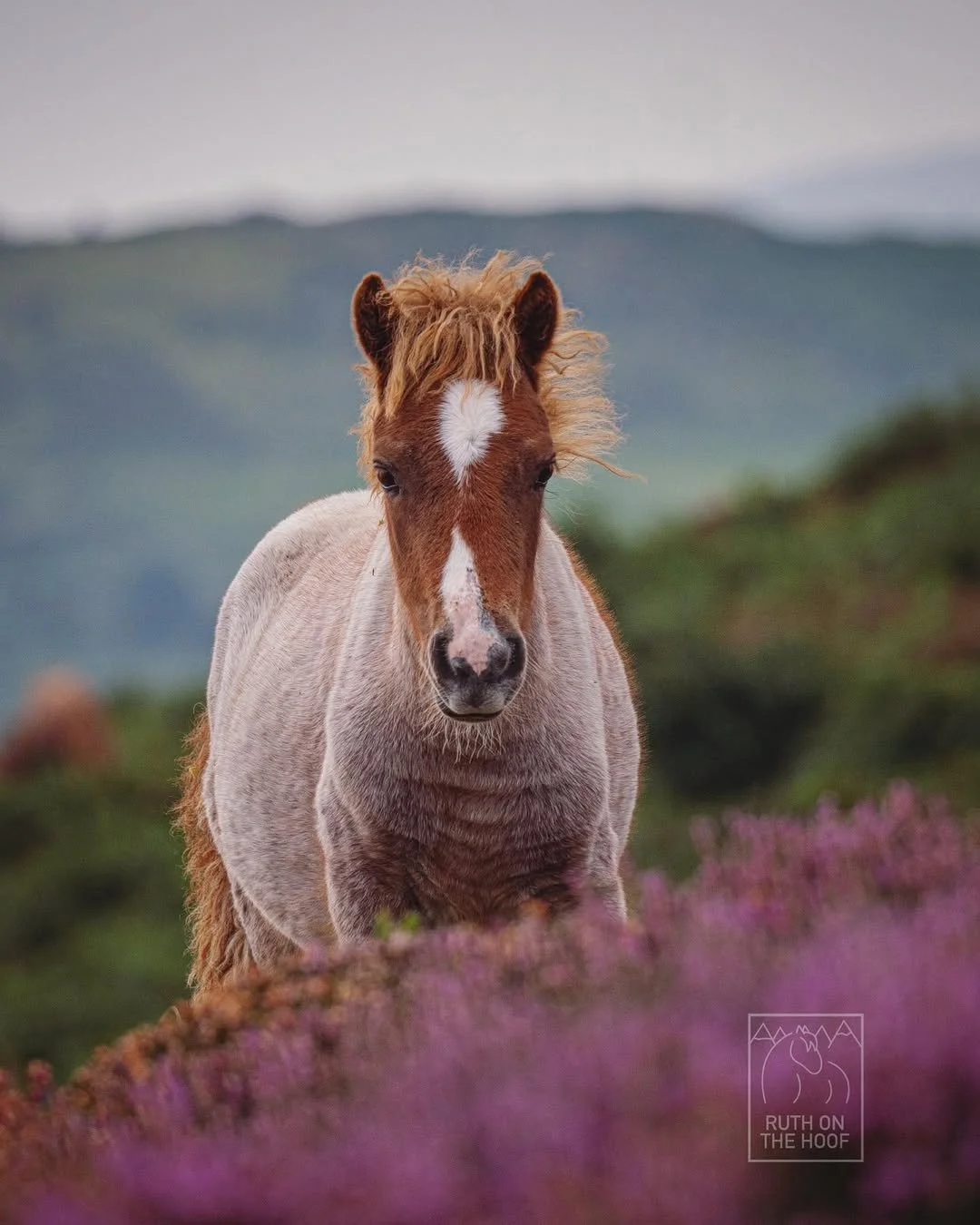
Carneddau
Carneddaus are slightly smaller than the Section A Welsh Mountain, standing at around 10 to 11 hands high. They are recognisable by a sturdy body, small ears shaped like sage leaves and big personalities!