

Genetic Diversity
Increase genetic diversity to ensure the health and longevity of our native breeds
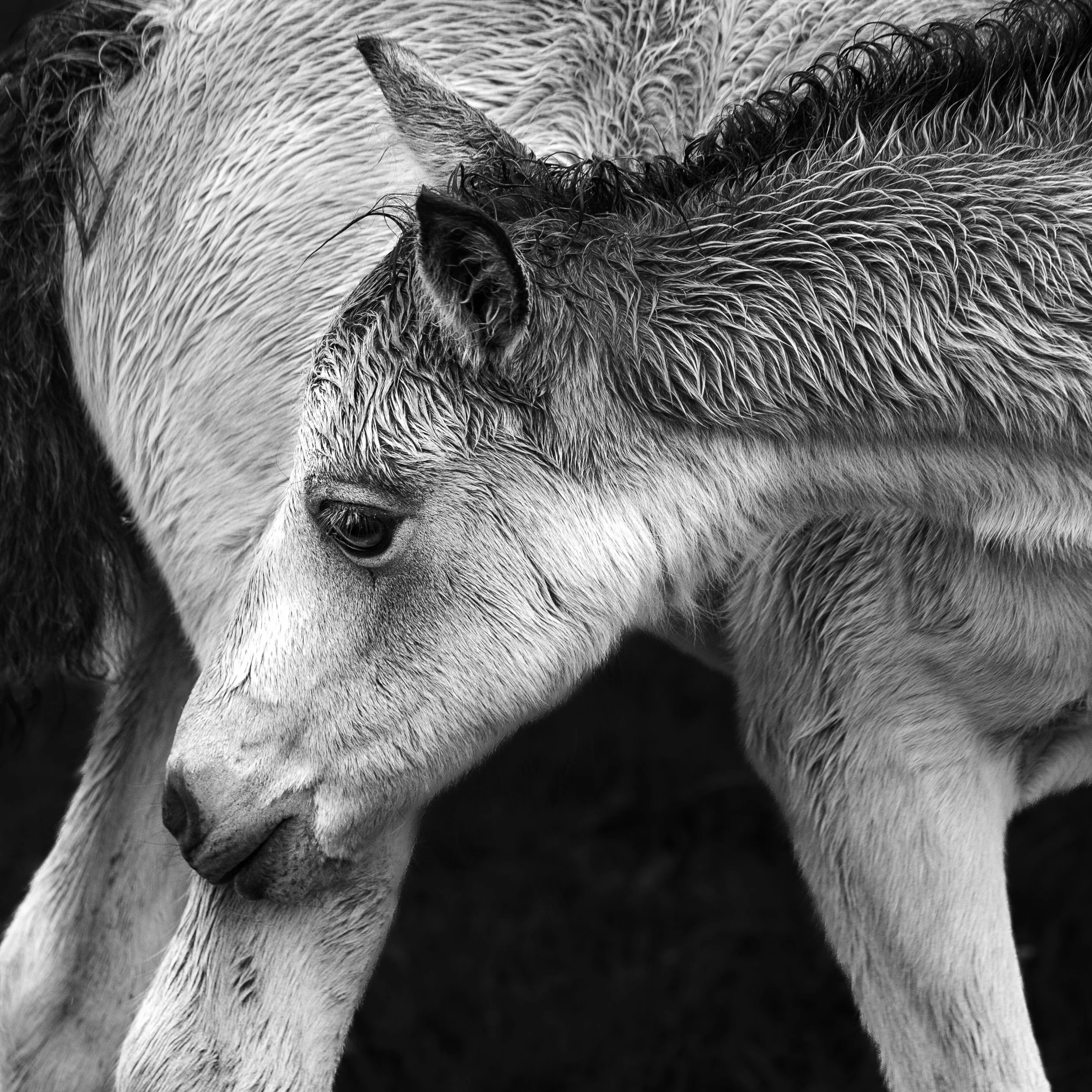
The Rare Breed Survival Trust focuses its efforts on breeding higher numbers of rare and endangered species and little understanding and experience of the specific breeding lines within each native breed.
The native pony breed societies are often focused on managing their stud books and breeding the highest quality ponies for the show ring rather than the diversification of the gene pool. These show ponies have often been bred entirely in domesticated environments from narrow prize-winning lines. We believe that it is important that native ponies continue to live in their native environments to retain their distinctive breed characteristics without the influence of the fashions of the show-ring that have often led to very limited gene pools and a conformity of types. Whist maintaining breed standards, we would ensure that old lines are continued and a record of genealogy and help with choosing appropriate stallions is available to breeders. This charity seeks to redress the balance and offer a different perspective for breeders that value traditional native ponies for diverse reasons.
The charity would also seek to work with existing breed societies and others such as The British Horse Society to reduce the number of unwanted, poorly bred and unregistered native ponies through education and advice on mare and sire selection, the promotion of high-quality stock and ensuring that low quality colts are gelded. We will also discourage back-yard breeding and highlight the importance of good conformation and temperament to help ensure that children’s ponies are not discarded and abandoned later in life.
Much work has been done on DNA analysis and DNA guided breeding within the Cleveland Bay Horse Society in order to ensure the long-term health and diversity of the breed and we would seek to support the sharing of these excellent proven methods across the different native pony breeds. At the same time, DNA analysis has provided more information on population dynamics and definitions of native breeds are being challenged. There is an urgent need for an independent organization to work for all native equines, including those not currently fitting existing breed standard or emanating from closed stud books.