

Education
Provide an educational resource
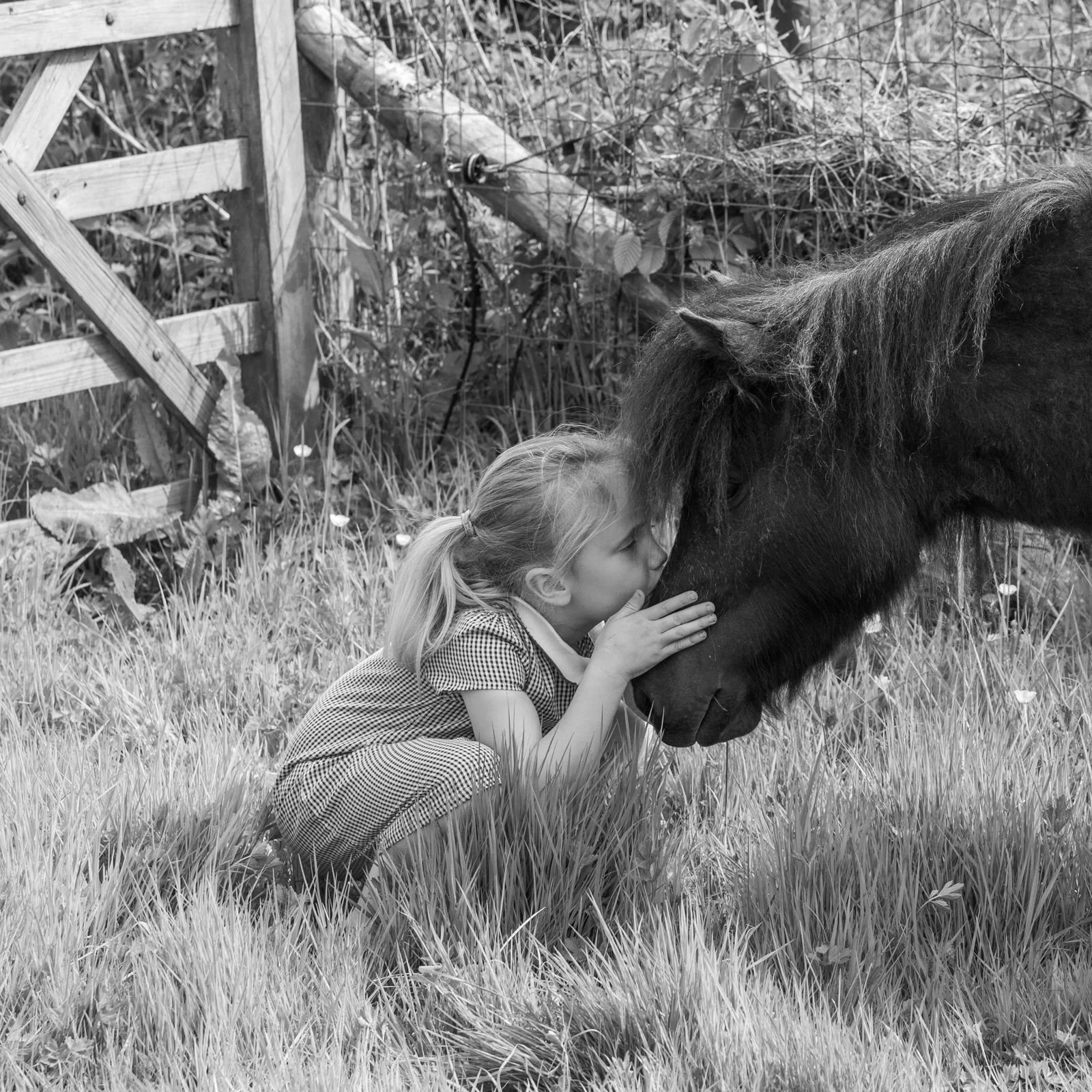
It is intended that the NPT’s website offers a library of links to research, training and other information in support of the management of native ponies, whether in their native habitats or in more domesticated environments.
The initial library will collate resources from all native breeds to provide an insight into all aspects of these ponies lives. This will include articles relating to each of the NPT’s objectives: welfare, genetic diversity and health, habitat management and cultural heritage and traditions.
Different breeds in the UK, Ireland and across the world have evolved independently and are often managed in their native habitat in different ways. In a more global society it is important that we draw on these resources, learn from them and use the experiences of others to improve ourselves. Likewise, the sharing of our experiences can be helpful to others.
An example of a success story that is now being expanded to other priority native breeds comes from the experiences of the Cleveland Bay horse and the work of the dedicated team led by Andrew Bell. Using sophisticated population management tools (SPARKS scheme) over a period of 16 years, this critically endangered breed has been helped to recovery from unviable levels to a secure future despite such a restricted gene pool. It is important that more people are made aware of the benefits that can be achieved through the use of breeding management schemes.
This library will be a comprehensive resource that can be used for education and training purposes. The education and training would be for all people involved with managing native ponies. This could range from private owners of a single native pony worried about illnesses such as Equine Metabolic Syndrome (EMS), laminitis or grass sickness, to those involved in managing moorlands and large expanses of native habitat (e.g. National Parks) for environmental goals.
Horse and pony owners have often been criticized for their poor land management skills in domesticated environments. Through education and training resources that compare and contrast the many modern horse pasture management techniques we will advise owners how to improve the way land is managed for the benefit of the environment and the ponies themselves. For example, EMS and laminitis are prevalent in children’s riding ponies and through offering an impartial and comprehensive free open resources we will assist native pony owners to gain a better understanding of the issues and encourage them to create better environments for their ponies health and longevity. At the same time, by using systems that encourage more movement and limit the sugar-rich grass that contributes to such health issues, more meadows offering mixed wildflower leys rather than a monoculture of rye grass can be created.
Many pony owners are not well served by the current educational charities in the sector. The British Horse Society represents many horse riders but is limited in its application to native ponies and its main educational training is carried through longer-term college courses that lead to examinations. The Pony Club offers excellent training for young riders but does not specifically help with pony management or breeding. Again most of the training is provided in-person over a long period of time working towards the various levels of tests.
The individual breed societies are often focused on the show ring and their stud books as historically that has always been their role. They offer few training and educational opportunities. A few charities have emerged more recently, e.g. The Dartmoor Heritage Trust and The Fell Pony Heritage Trust, but their objectives are very specific to their own breeds kept in their native environment and therefore are very limited in the resources they offer.
The NPT will welcome interaction from those interested in all native breeds and offer online education and training in native pony and habitat management in both domesticated and more natural environments.
Training and education will initially be via the website using online self-paced resources without any test or examination requirements, but it is intended that this could be expanded to talks and potentially other forms of training and education in the future, perhaps in collaboration with other educational organizations.